
Best 5 Cellular Trail Cameras of 2026
Reliable Field Cameras for Wildlife and Outdoor Use
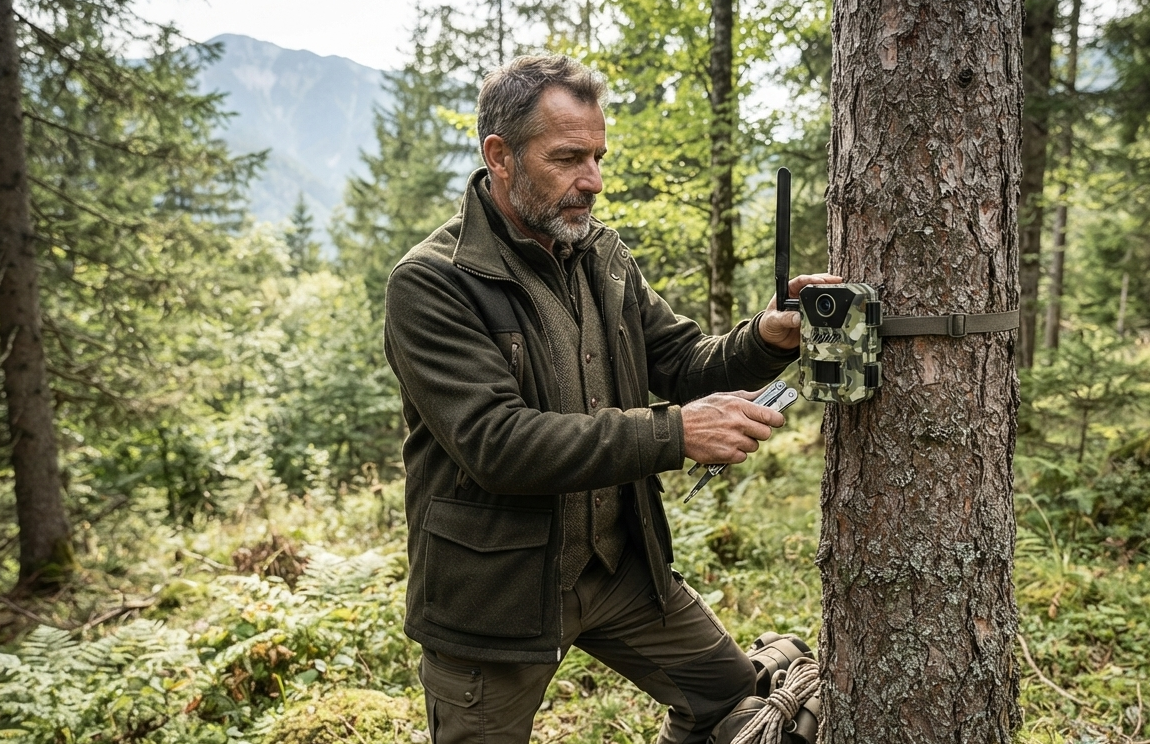
Ever wondered what wildlife visits your property when you’re not around? Whether you’re a wildlife enthusiast, hunter, or property owner, choosing the right cellular trail camera can feel overwhelming with so many options available.
Finding the best 5 cellular trail cameras that combine reliability, image quality, and stable connectivity isn’t easy. Many users struggle with poor night vision, delayed trigger speeds, or complicated setup processes that lead to missed moments and unreliable monitoring.
That’s why we’ve thoroughly tested and compared the top 5 cellular trail cameras currently available. Our comprehensive guide focuses on real-world performance, durability, and overall user experience to help you make a confident, informed decision.
From sharp daytime images to dependable nighttime captures, each camera has been evaluated against strict performance standards to ensure strong value and consistent results in the field.
Ready to discover which cellular trail camera best fits your wildlife monitoring needs? Let’s dive into our detailed evaluation criteria and top picks for 2026.

Owen is the master of the “set and forget” tech. Over 10 years, he has tested 40 cellular cameras for trigger speed and long-distance signal reliability in dense forests. He is allergic to poor battery life and faulty cloud syncing. He only endorses the cameras that can reliably capture and transmit motion-triggered events, no matter how remote or harsh the environment may be.
Our Evaluation Standards
Image Quality
Assess photo and video clarity, color accuracy, and low-light performance for consistent wildlife documentation.
Connectivity and Transmission
Evaluate cellular network reliability, transmission speed, and remote access capabilities for real-time monitoring.
Detection & Trigger Speed
Measure motion sensor effectiveness, trigger response time, and detection range for capturing crucial moments.
Battery Life
Examine weather resistance, durability in extreme conditions, and power efficiency for long-term deployment.
#1 TOP PICK

from klarity
Overall Grade
A+
9.7/10
GENERAL REVIEW
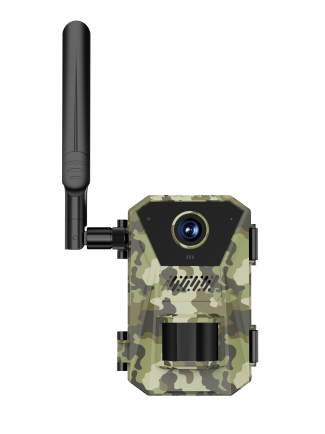
Having personally used the Klarity Cellular Trail Camera for several weeks, I can confidently say it’s a game-changer for anyone serious about wildlife monitoring or outdoor security. This camera provides 14MP high-resolution photos and FHD videos, capturing crystal-clear images and videos even in low-light conditions, thanks to its enhanced infrared night vision. The IP66 waterproof rating ensures it can withstand harsh weather, making it perfect for year-round outdoor use.
One of the standout features is its fast trigger speed, capturing moments in 0.3 seconds, which is perfect for wildlife observation where timing is everything. The solar charging and long-lasting battery ensure you don’t have to worry about constant recharging, making it ideal for remote locations. The remote access feature, combined with 4G connectivity, allows you to view and control the camera from anywhere via the app, a truly convenient option for real-time monitoring.
The design is user-friendly, with an easy setup process and flexible mounting options that make installation quick and effortless. The efficient storage supports both local TF card and cloud options, ensuring your footage is safe and accessible whenever needed.
However, there are a couple of drawbacks. The camera is sometimes out of stock due to high demand, which can be frustrating if you’re eager to start using it. Additionally, delivery typically takes 1-2 days longer than some competitors, which might be an inconvenience if you need the camera urgently.
Despite these minor issues, the Klarity Cellular Trail Camera is an excellent choice for anyone looking for a reliable, feature-packed camera that’s easy to use and provides top-notch performance.
PROS
CONS
WRAP-UP
The Klarity Cellular Trail Camera stands out for its exceptional value and reliability. It excels in ease of use, offering effortless setup and seamless integration with 4G networks. Its robust durability ensures year-round performance, making it a top choice for those who need a dependable, all-weather camera. A truly worthy investment!
#2 TOP PICK
AkosOL Cellular Trail Camera
from AkosOL
Overall Grade
B+
8.8/10
GENERAL REVIEW
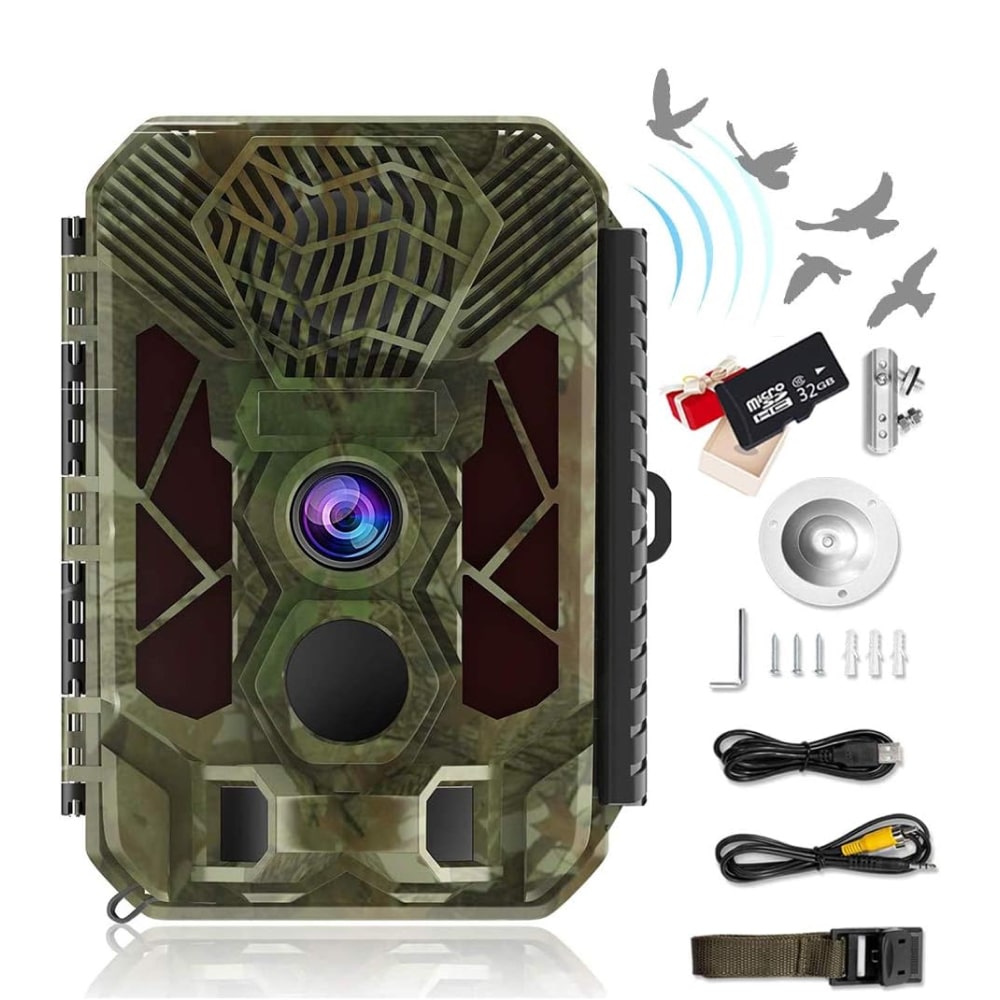
The AkosOL Cellular Trail Camera distinguishes itself with its innovative electronic animal caller feature, setting a new standard for wildlife attraction and monitoring. This unique capability, combined with exceptional video resolution, makes it an outstanding choice for both researchers and wildlife enthusiasts.
At the heart of its performance is the impressive 2.7K video resolution and 20MP image quality, powered by an advanced 8-million CMOS sensor. The camera’s ability to capture both high-resolution photos and videos simultaneously provides users with comprehensive documentation of wildlife activity.
What truly sets this model apart is its groundbreaking electronic animal caller system, capable of broadcasting audio up to 1.3 miles. This feature, coupled with the included 32GB micro SD card preloaded with various animal vocalizations, creates unique opportunities for wildlife attraction and observation.
The camera’s practical design includes a 2.8″ LCD screen for easy setup and immediate image review, while its IP66 waterproof rating ensures reliable performance in challenging weather conditions. With its rapid 0.2-second trigger speed and extensive 98-foot detection range, this camera excels at capturing crucial moments in wildlife behavior.
PROS
CONS
#3 TOP PICK
inBEKEA Cellular Trail Camera
from inBEKEA
Overall Grade
B
8.5/10
GENERAL REVIEW
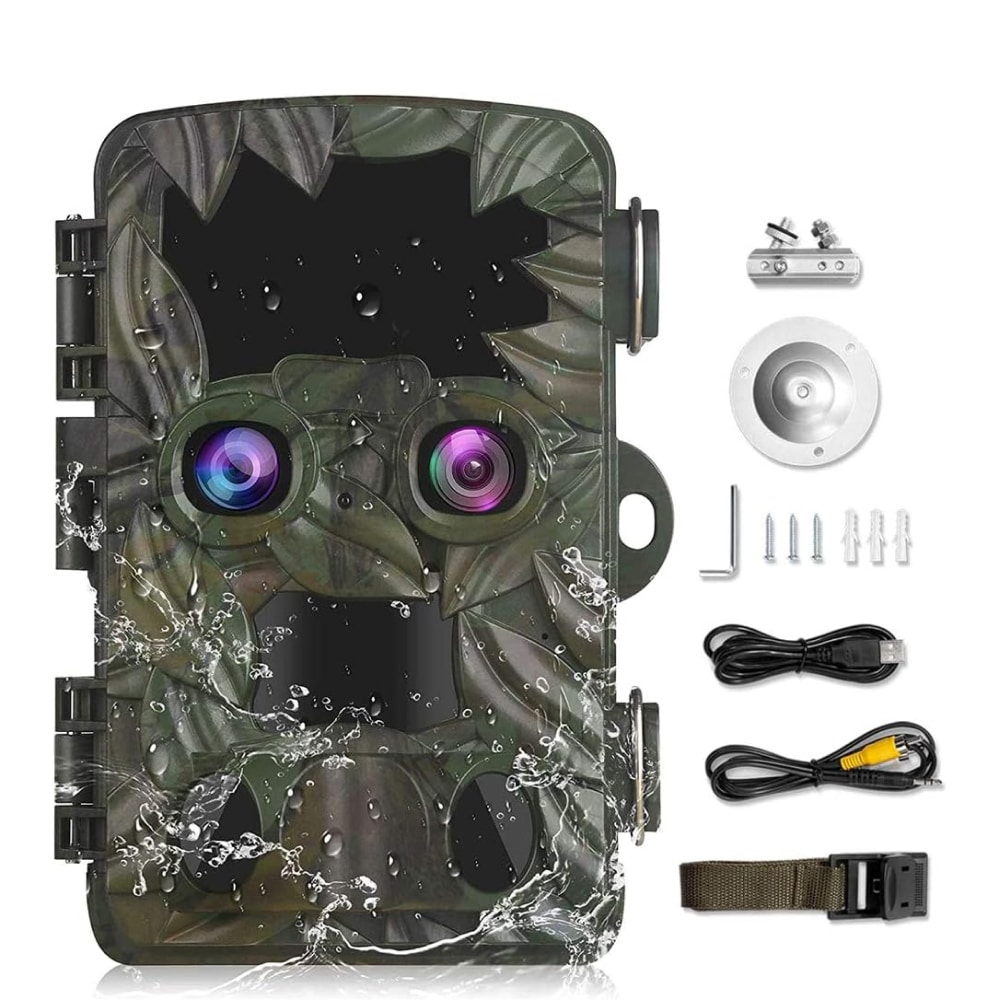
The inBEKEA Cellular Trail Camera revolutionizes nighttime wildlife monitoring with its innovative dual-lens system, automatically switching between daytime and specialized night vision optics. This technological advancement provides unprecedented clarity in low-light conditions.
The camera’s impressive 20MP image sensor and 4K video capabilities deliver exceptional daytime performance, while the dedicated night vision lens with its 2-million pixel starlight technology ensures superior nocturnal documentation. This dual-system approach effectively eliminates the common compromise between day and night performance.
The integration of three infrared sensors and 44 850nm infrared LEDs creates an extensive detection network, complemented by the camera’s rapid 0.2-second trigger speed. The wide 120° detection angle ensures comprehensive coverage of the monitoring area.
Smart design features include silent operation and support for memory cards up to 512GB, making it ideal for extended deployment. The camera’s 18-month standby time demonstrates excellent power efficiency, while its robust construction ensures reliable performance in challenging environments.
PROS
CONS
#4 TOP PICK
Moultrie Cellular Trail Camera
from Moultrie
Overall Grade
C+
7.7/10
GENERAL REVIEW
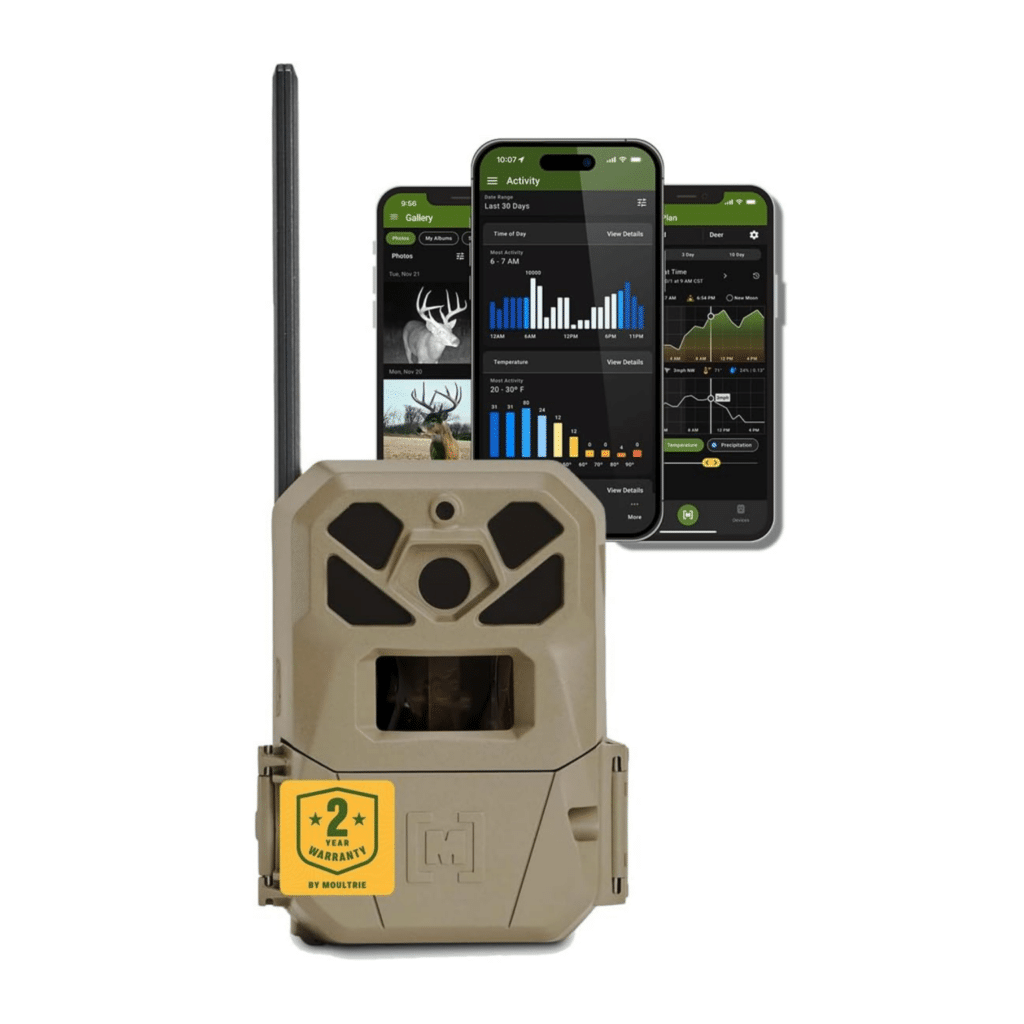
The Moultrie EDGE 2 PRO elevates wildlife monitoring with its innovative Live Aim technology, allowing real-time field of view adjustment through smartphone integration. This advanced feature ensures optimal camera placement and maximizes capture success. 📱
Outstanding image quality is delivered through its 40MP sensor and QHD 1440p video capabilities with HD audio. The camera’s 0.3-second trigger speed ensures reliable capture of fast-moving wildlife, while the integration of Moultrie Mobile A.I. helps reduce false triggers and optimize battery life.
The camera’s sophisticated features include GPS functionality and Smart Zones, providing precise location tracking and customizable detection areas. The 8GB built-in memory combined with unlimited cloud storage through the Moultrie Mobile App offers seamless data management.
The implementation of multiple shooting modes, including time-lapse and motion detection combinations, provides versatility for various monitoring scenarios. Its professional-grade construction ensures reliable performance in challenging environmental conditions.
PROS
CONS
#5TOP PICK
Renkforce Cellular Trail Camera
from Renkforce
Overall Grade
C
7.2/10
GENERAL REVIEW
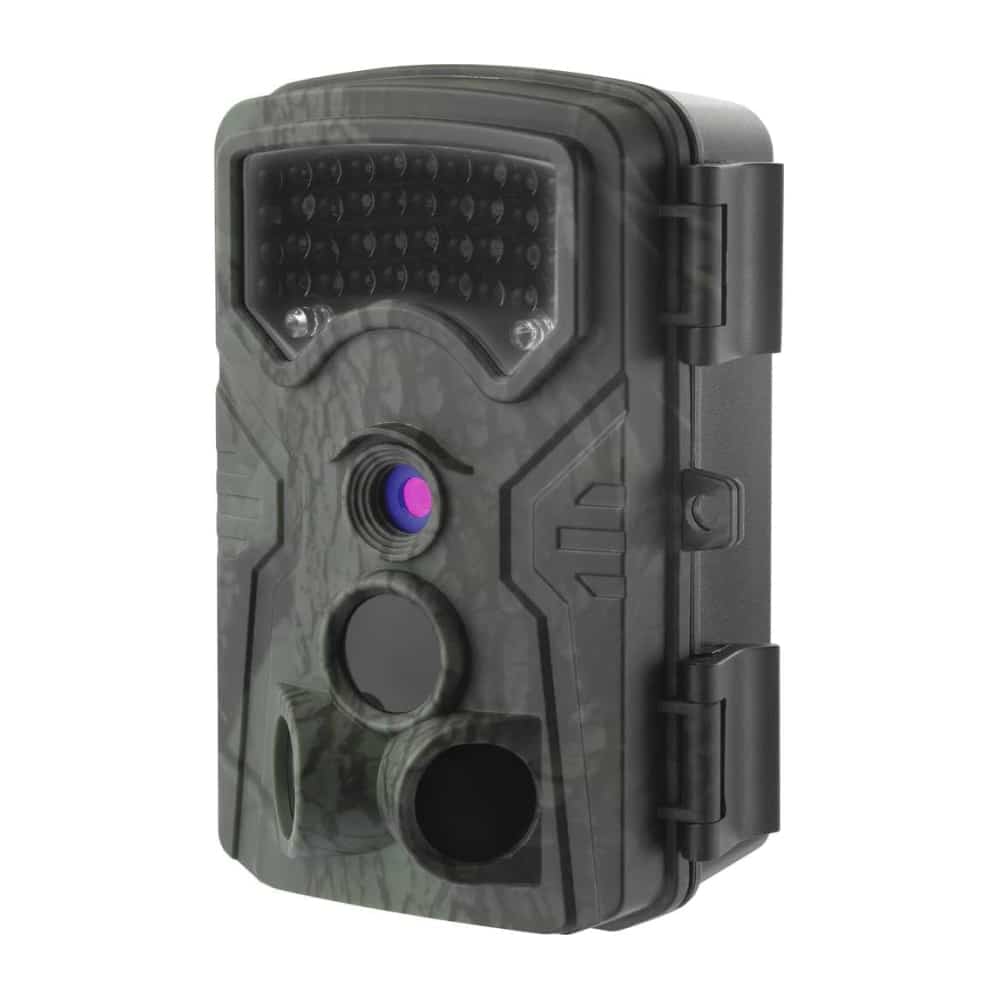
The Renkforce Cellular Trail Camera offers a balanced combination of essential features and reliable performance, making it an excellent entry-level option for wildlife monitoring. Its 2.7K video resolution and 13MP sensor provide clear documentation of wildlife activity. 🎥
The camera’s design emphasizes practical functionality with its 120° detection angle and 40 IR LEDs for night vision recording. The 0.3-second trigger speed and 22-meter detection range ensure consistent capture of wildlife movement, though slightly more modest than premium models.
Durability is addressed through an IP66-rated housing, providing reliable protection against harsh weather conditions. The camera’s straightforward design and setup process make it particularly appealing for users new to cellular trail cameras.
The support for up to 32GB SD cards offers adequate storage for typical monitoring needs, while the robust construction ensures reliable performance in various environmental conditions. The camera’s simplified feature set focuses on core functionality without overwhelming users with complex settings.
PROS
CONS
WHAT ARE CELLULAR TRAIL CAMERAS
Cellular trail cameras represent a revolutionary advancement in wildlife monitoring technology, combining traditional trail camera capabilities with cellular network connectivity. These sophisticated devices capture high-quality images and videos of wildlife, then transmit them directly to your smartphone or computer using cellular networks.
Unlike conventional trail cameras that require manual checking, cellular models instantly send captures to your device, enabling real-time monitoring without disturbing the wildlife or visiting the location. They integrate advanced motion sensors, night vision technology, and weather-resistant construction to provide continuous surveillance in various environmental conditions.
These cameras operate by using integrated SIM cards and cellular technology to transmit data, similar to how mobile phones communicate. When motion is detected, they capture images or videos and automatically upload them through available cellular networks, providing immediate access to wildlife activity in your monitored area.
Benefits of Cellular Trail Cameras
-
✅
Real-Time Monitoring:
Receive instant notifications and images directly to your device, allowing immediate response to wildlife activity or security concerns. -
✅
Remote Access Convenience:
Control camera settings and view footage from anywhere with cellular coverage, eliminating the need for frequent site visits. -
✅
Enhanced Wildlife Documentation:
Capture natural behavior patterns without human interference, providing valuable insights for research and hunting. -
✅
Property Security:
Monitor remote locations continuously with instant alerts for any suspicious activity or unwanted visitors. -
✅
Weather Event Monitoring:
Track environmental conditions and wildlife behavior during various weather conditions without risking personal safety. -
✅
Time and Resource Efficiency:
Eliminate manual checks and reduce fuel costs associated with frequent trips to check traditional trail cameras. -
✅
Extended Documentation:
Store thousands of images in cloud storage, creating comprehensive records of wildlife patterns and behavior. -
✅
Research Capabilities:
Contribute to wildlife studies and conservation efforts with detailed documentation of animal movements and behaviors.
Things To Consider When Choosing Cellular Trail Cameras
-
Cellular Network Compatibility: Ensure the camera works with available networks in your area and verify carrier coverage for reliable transmission.
-
Image and Video Quality: Consider both daytime and nighttime resolution capabilities to match your specific monitoring needs.
-
Battery Life and Power Options: Evaluate power consumption and battery requirements for long-term deployment in remote locations.
-
Detection Range and Trigger Speed: Look for appropriate sensor capabilities that match your target area and wildlife monitoring goals.
-
Weather Resistance: Verify the IP rating and construction quality for durability in your local climate conditions.
-
Data Plan Requirements: Understanding monthly data costs and storage options for managing your cellular trail camera system.
-
Setup and User Interface: Consider the ease of configuration and ongoing management through mobile apps or web platforms.
What To Avoid When Choosing Cellular Trail Cameras
-
Overlooking Signal Strength: Never assume cellular coverage without testing the specific location where you plan to deploy the camera.
-
Ignoring Total Cost of Ownership: Remember to factor in subscription fees, batteries, and storage costs beyond the initial purchase price.
-
Compromising on Weather Protection: Avoid cameras with inadequate waterproofing or poor build quality, as they often fail in challenging conditions.
-
Settling for Slow Trigger Speeds: Remember that wildlife moves quickly, and cameras with slow trigger speeds will miss crucial moments.
-
Disregarding Customer Support: Consider the manufacturer's reputation for service and support, as technical issues may require assistance.
By Silas Thorne
Owen is the master of the “set and forget” tech. Over 10 years, he has tested 40 cellular cameras for trigger speed and long-distance signal reliability in dense forests. He is allergic to poor battery life and faulty cloud syncing. He only endorses the cameras that can reliably capture and transmit motion-triggered events, no matter how remote or harsh the environment may be.